
In my last post I shared how enterprise health care
customers are facing pressure to incorporate massive amounts of external unstructured consumer health data and holistically integrate it into their existing data
centers. Keep in mind that this situation is not limited to health care; most enterprise IT architectures are trying to “extend the boundary” of their existing enterprise data centers to incorporate consumer-generated data. In a previous article I discused IDC’s definition of the “3rd Platform”. Can existing enterprise architectures expand to build this new type of platform? The diagram below shows a boundary around a secure, reliable EMC data center containing structured and unstructured health care data, with a vast amount of unstructured eHealth/Wellness data being generated external to that data center.
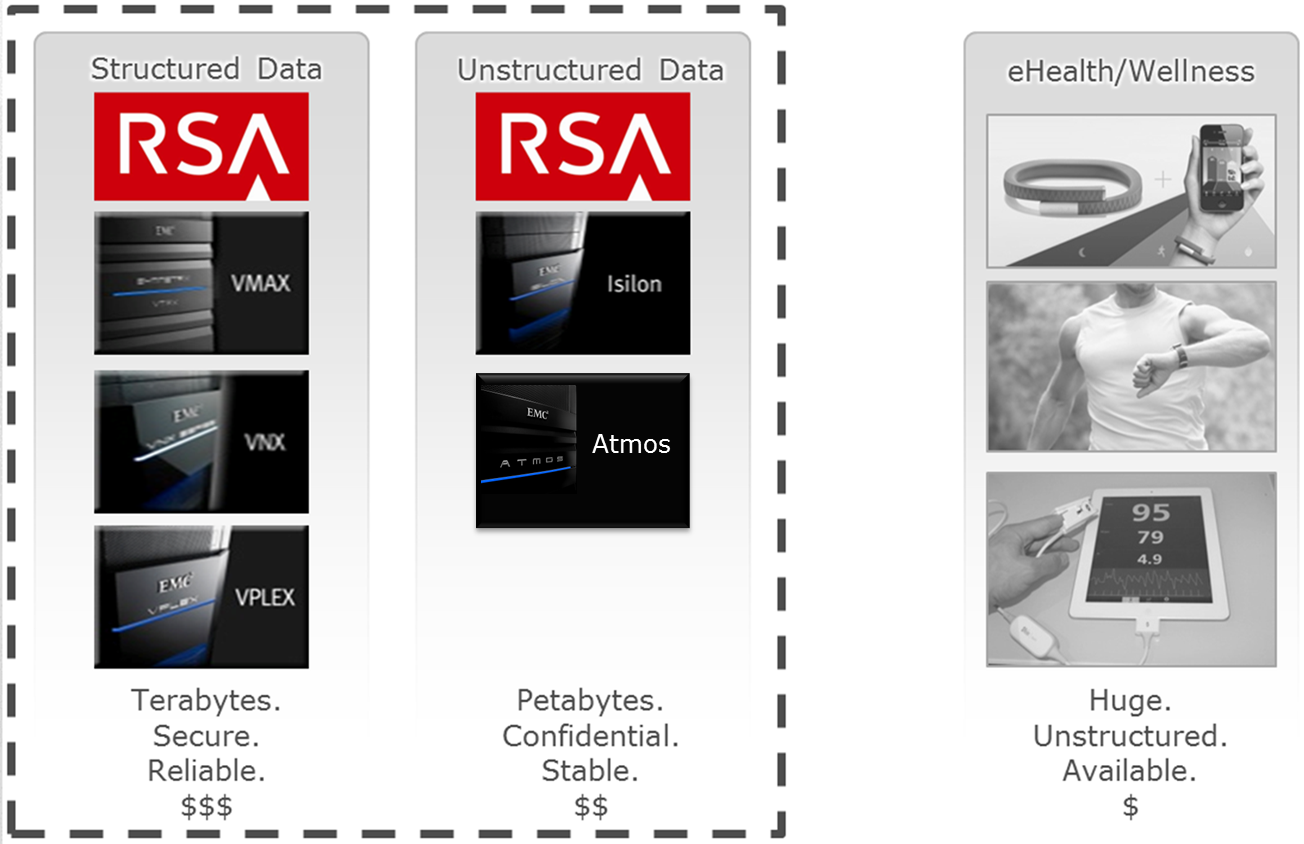
At EMC World several weeks ago, Chief Technology Officer John Roese discussed some of the requirements that enterprise customers (health care, banking, retail, etc.) are sharing with him regarding how their data center operation must expand:
- The customer experience must extend beyond their core setting and controlled environment (e.g. the walls of their data center)
- Instead of just focusing on gathering data in a clinical setting (e.g. visits to a hospital), their is a need to gather data about external behaviors like exercise frequency, what patients are eating, their mobility, etc.
- Embedded medical devices supplying telemetry data need to synchronize their data to a common location for analysis.
- The entire ecosystem of external patient data can be very helpful in the diagnosis of one single patient, and therefore there is a great need to aggregate and analyze the collective. Patients can number into the hundreds of millions, and valuable trends and correlations will inevitably surface and improve care.
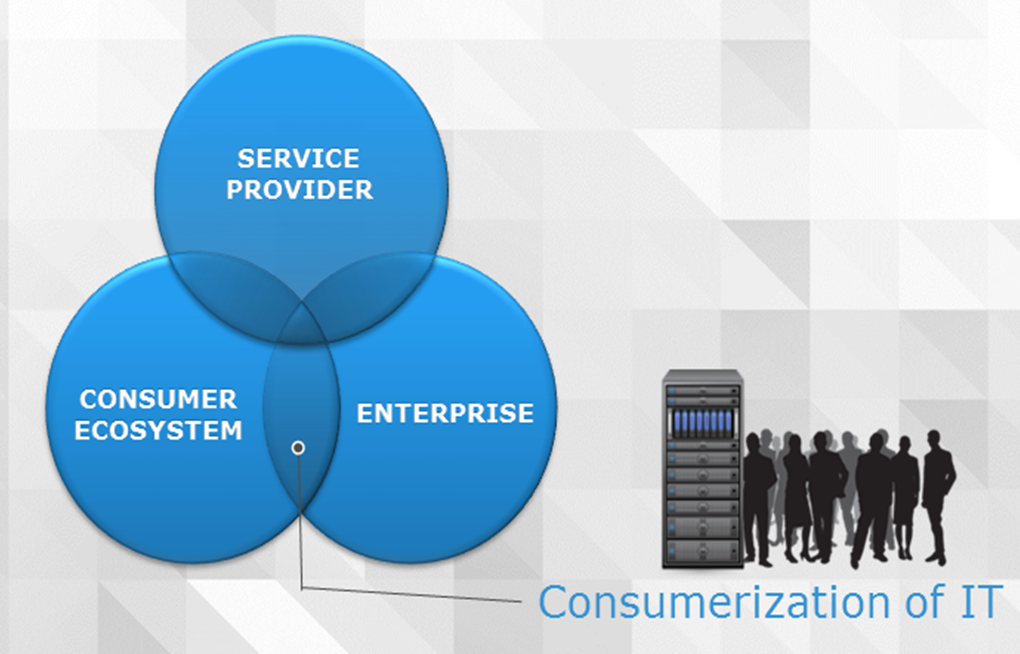 Much of this data is coming out of the consumer world (e.g. FitBit and Fuel Bands), further lending credence to John’s view that the lines between the consumer ecosystem and the enterprise are blurring. The value of consumer health data is augmented greatly when it can be correlated and analyzed in conjunction with the clinical data already captured within the walls of the traditional enterprise environment depicted above. Clearly, the workloads that will have to run in these new environment requires that the data center extend itself to support the new workloads. The requirements coming from the enterprise dictate the following characteristics of a solution:
- Huge amounts of highly unstructured data
- Extreme price sensitivity for storage, given that every bit of data is not useful on its own but only in the aggregate (which typically means data transformation, which requires more storage)
- An analytics platform to incorporate consumer and clinical data to understand the end-to-end health of the patient.
- Privacy and protection of the consumer data.
John asserts that the acquisition of Isilon extended EMC’s ability to satisfy telemedicine and digital pathology workloads several years ago. He also believes that recent innovation in EMC’s portfolio can now effectively cover every aspect of these “3rd platform” requirements listed above, and the picture he shared at EMC World highlights the solution:
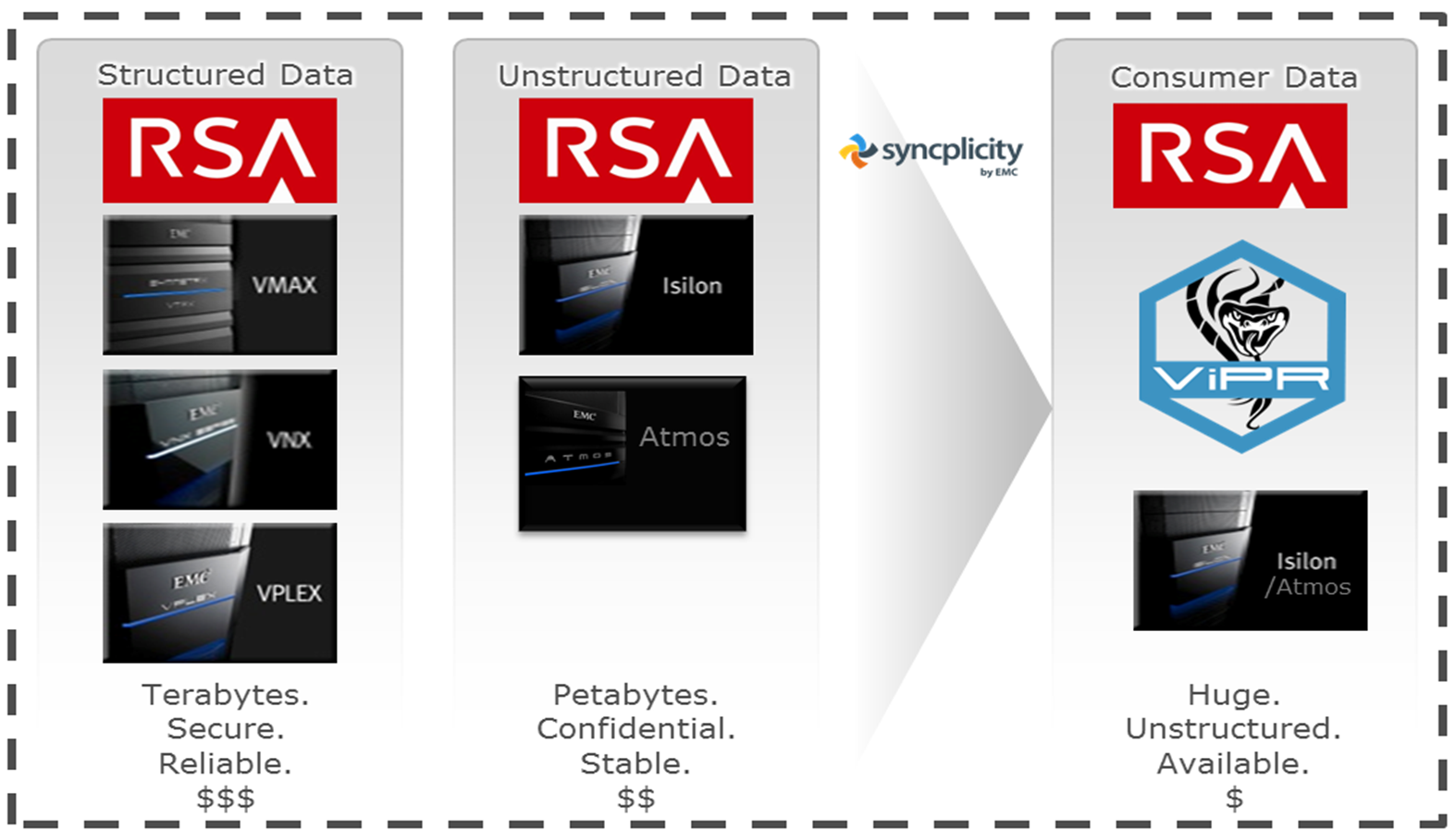
In a future post I will step through the new additions to EMC’s portfolio that protect the existing investments in legacy data center infrastructure while expanding to cover new workloads.
Steve
Twitter: @SteveTodd
EMC Fellow