
In a recent post I described Chief Technology Officer John Roese’s EMC World message
about arming Enterprise customers for the future. He advised customers to prepare
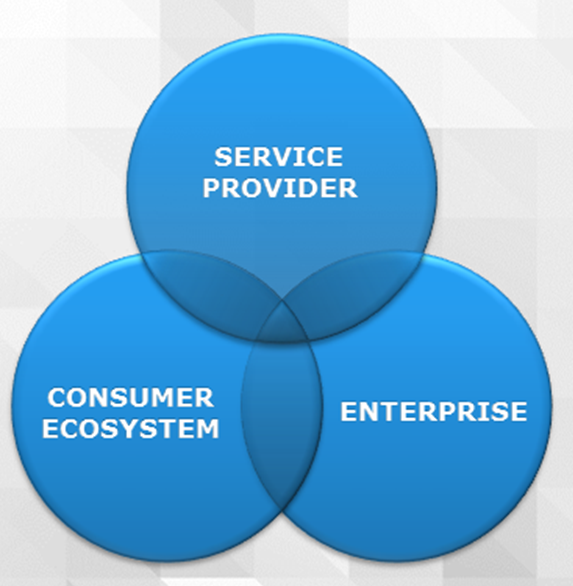
themselves for the converging service
provider, consumer ecosystem, and enterprise markets. I used the diagram below
to illustrate this convergence.
John used an example from Health Care to illustrate EMC’s
approach for arming Enterprise customers. In order to fully understand the
convergence of the three ecosystems, it helps to start by exploring the real
world example below.
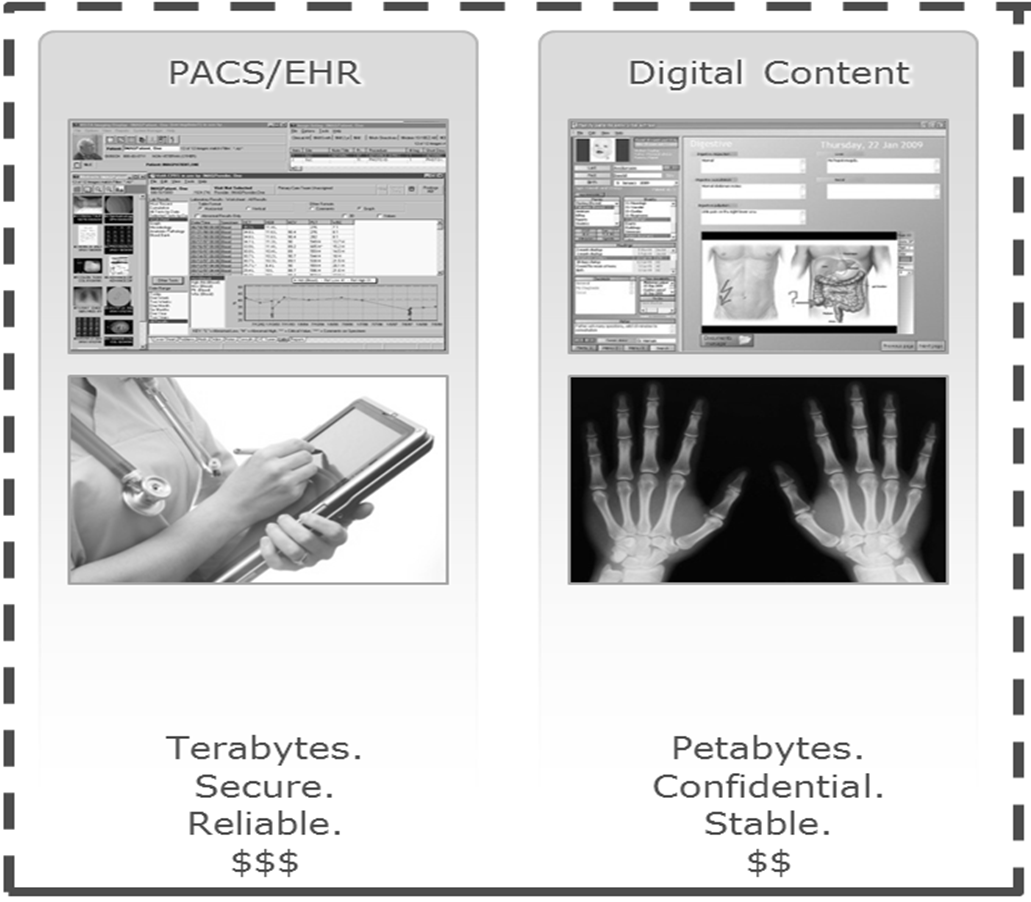
Looking back approximately ten years ago, there was a strong requirement in a hospital environment to store terabytes worth of PACS data and electronic health records. This environment had to be highly secure and
have mission critical reliability characteristics. The price of acquisition of
these systems was considered well-worth the investment in order to comply with regulations such as HIPAA. The workloads in this case could be thought of as typical of a “business inside of a hospital”.
Over the course of time, a new set of workloads began emerging in the medical environment. These workloads centered on the
creation and maintenance of larger and larger amounts of digital content due to applications such as tele-medicine and digital pathology. The size of hospital data for this workload increased to Petabytes. There was still a strong need for
confidentiality (with perhaps less regulation) and infrastructure stability (though perhaps not to the same level of resiliency).
Another major requirement that emerged was that of operating expenses. The amount
of unstructured data that needed to be managed was increasing exponentially,
and health-care IT administrators demanded that cost per capacity be driven
down.
The older workloads (e.g. PACS, EHR) were still there, but the hospital infrastructure needed to expand to accomodate the new workloads as well.
EMC responded to both of these phases via a wide portfolio
of products that satisfied all of the workload requirements for both structured and
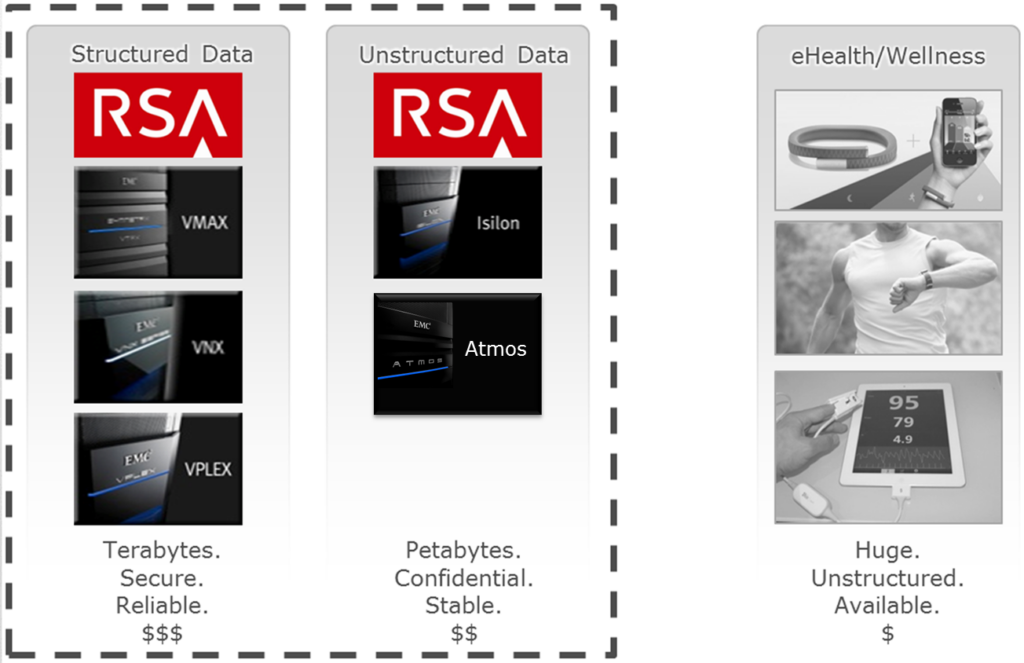
unstructured data. A sample set of these products is shown below:
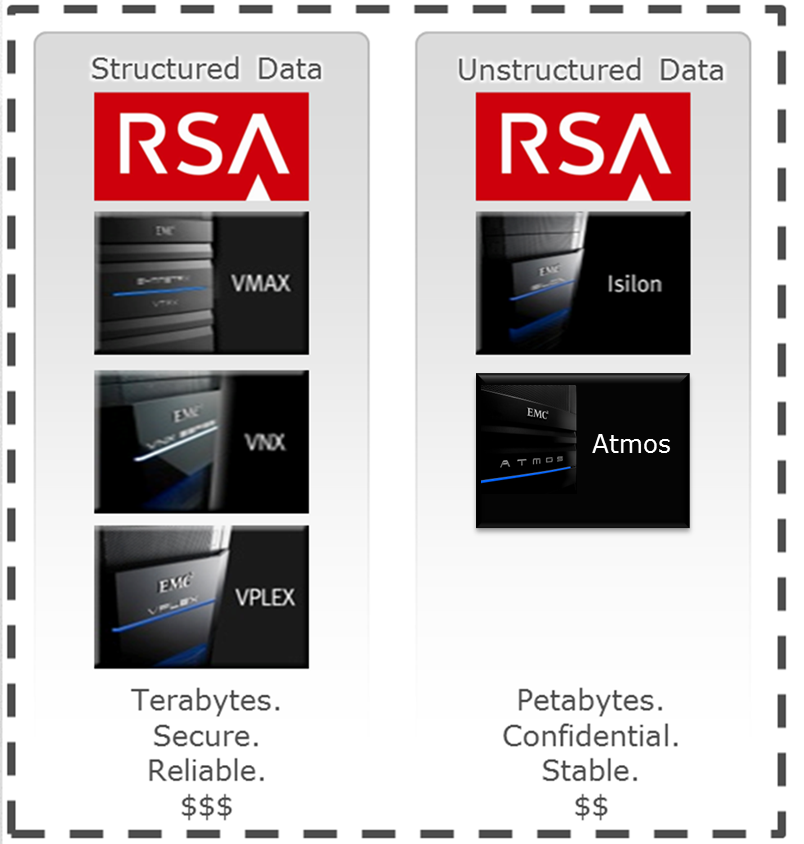
The diagram above doesn’t show the full set of EMC products that are applicable to this specific use case (e.g. backup/restore, retention-aware
storage, etc). But it does highlight how the EMC portfolio evolved over time to
arm enterprise health care customers with a secure data center that satisfied the requirements of all workloads. Health care is just one example;
other verticals are similar.
What happens when a health care provider (or any enterprise customer) is faced with new
requirements resulting from the convergence of the service provider and consumer ecosystem? The diagram below shows the scenario that many customers
face.
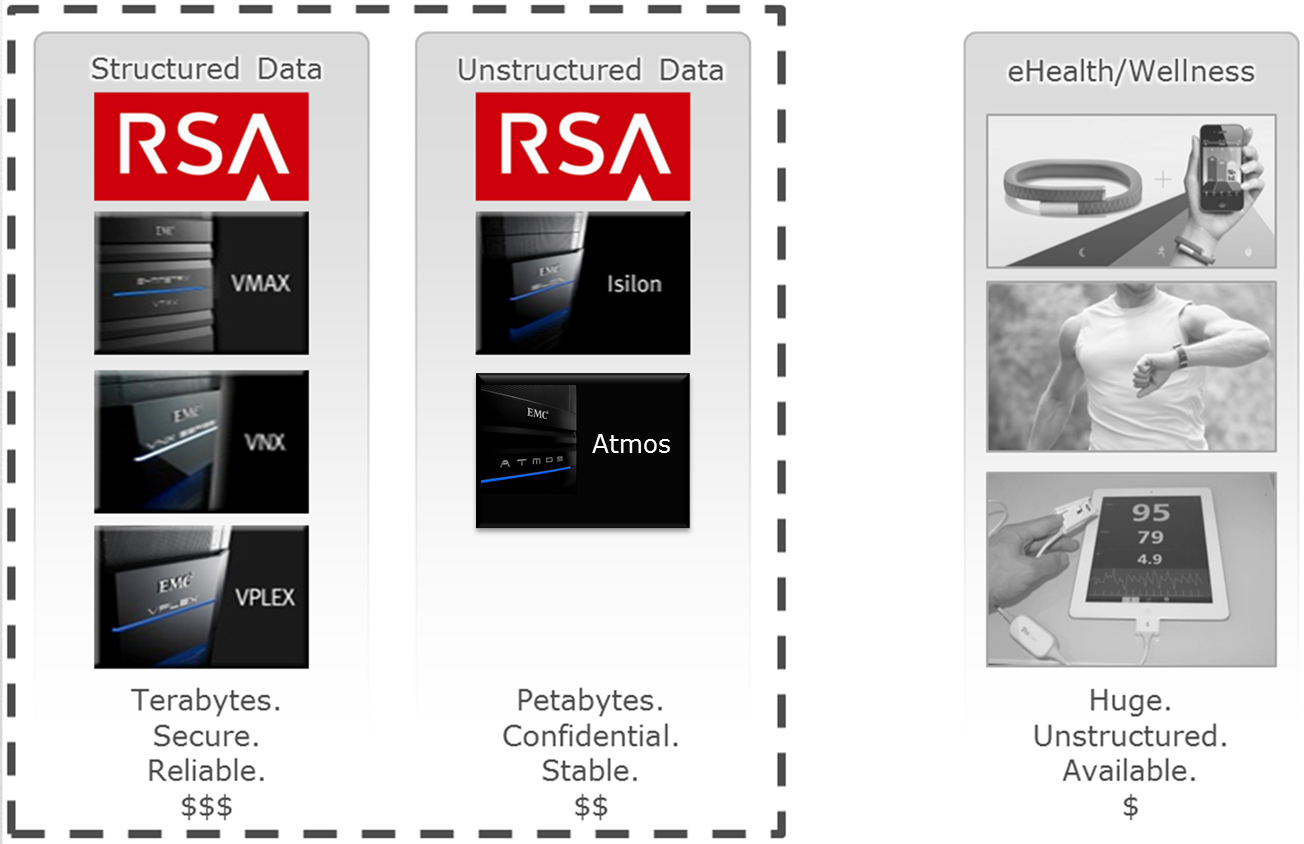
Massive quantities of unstructured health care data are now
being created on consumer devices OUTSIDE of the enterprise IT infrastructure. Electronic interface with customers happens outside of the hospital via methods like eWellness and mHealth. Is the customer exercising? Are they recording biofeedback regularly? This new class of workload results in new questions:
- How can enterprise customers draw this data into their ecosystem while
maintaining existing levels of security and availability? - How can the data be
analyzed at high speed and in the context of existing data sources located
inside the enterprise? - How can this all
be accomplished at a price that is in line with costs that are more akin to the
consumer ecosystem?
The answers to these questions can be found in
the continued evolution of EMC’s technology portfolio, which I will cover in my
next post.
Steve
Twitter: @SteveTodd
EMC Fellow