
One of the more interesting shifts I've witnessed inside of EMC is the reaction to the global needs of customers. With so much revenue growth occurring outside of the US and Europe, EMC has had to morph its engineering mindset accordingly.
As an EMC Distinguished Engineer I have a front row seat for this activity. Here is some background of the global formation of COEs:
- Centers of Excellence (COEs) were established around the globe in order to capitalize on labor rates.
- Implementation of (US-based) ideas was largely pushed to these COEs.
- World-wide engineers developed expertise in a variety of EMC technologies.
- These engineers are now being asked to generate their own ideas based on the needs of customers in their local geographies (where the market growth is).
It is not easy to make this cultural transition within a large corporation. One strategy that EMC has employed is the global leveraging of the Distinguished Engineer / Fellow community. Here is the outline of how it is playing out. Each COE…
- gauges the overall career growth of employees within their geography
- evaluates the state of University Relations within their geography
- assesses the technology areas that are important for customers in their geography
- "adopts" one or more DEs or Fellows that can facilitate the growth in these three areas
- holds regular technology forums and/or round-tables that focus on employee career growth, university research, and idea incubation
I have been involved with the Russia COE in St. Petersburg (I last visited in January). In this role I am asked to share my advice on university research (based on my experiences in Cambridge), give career advice (based on the career navigation I had to do to reach the level of DE), or invite my DE and Fellow co-workers to speak about specific technologies as part of a COE Council or RoundTable.
I have seen the Russia COE grow accordingly as a result of this collaboration, especially when it comes to some of the university projects being launched with local universities. Many of my DE co-workers have already started the same relationships with COEs such as India, China, and Israel.
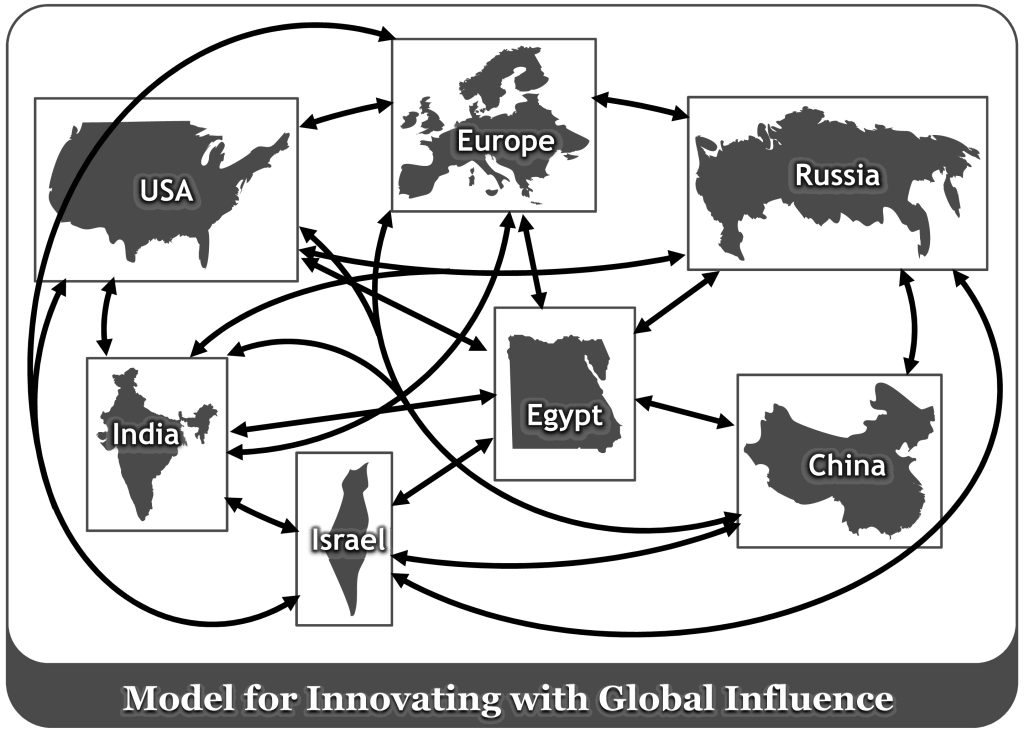
I find it interesting that the model has moved from a "push model" (US pushes implementation overseas) to a "pull model" (each COE pulls the required expertise from wherever it can be found). This results in a global innovation network which roughly looks like this (based on the location of all of EMC's COEs):
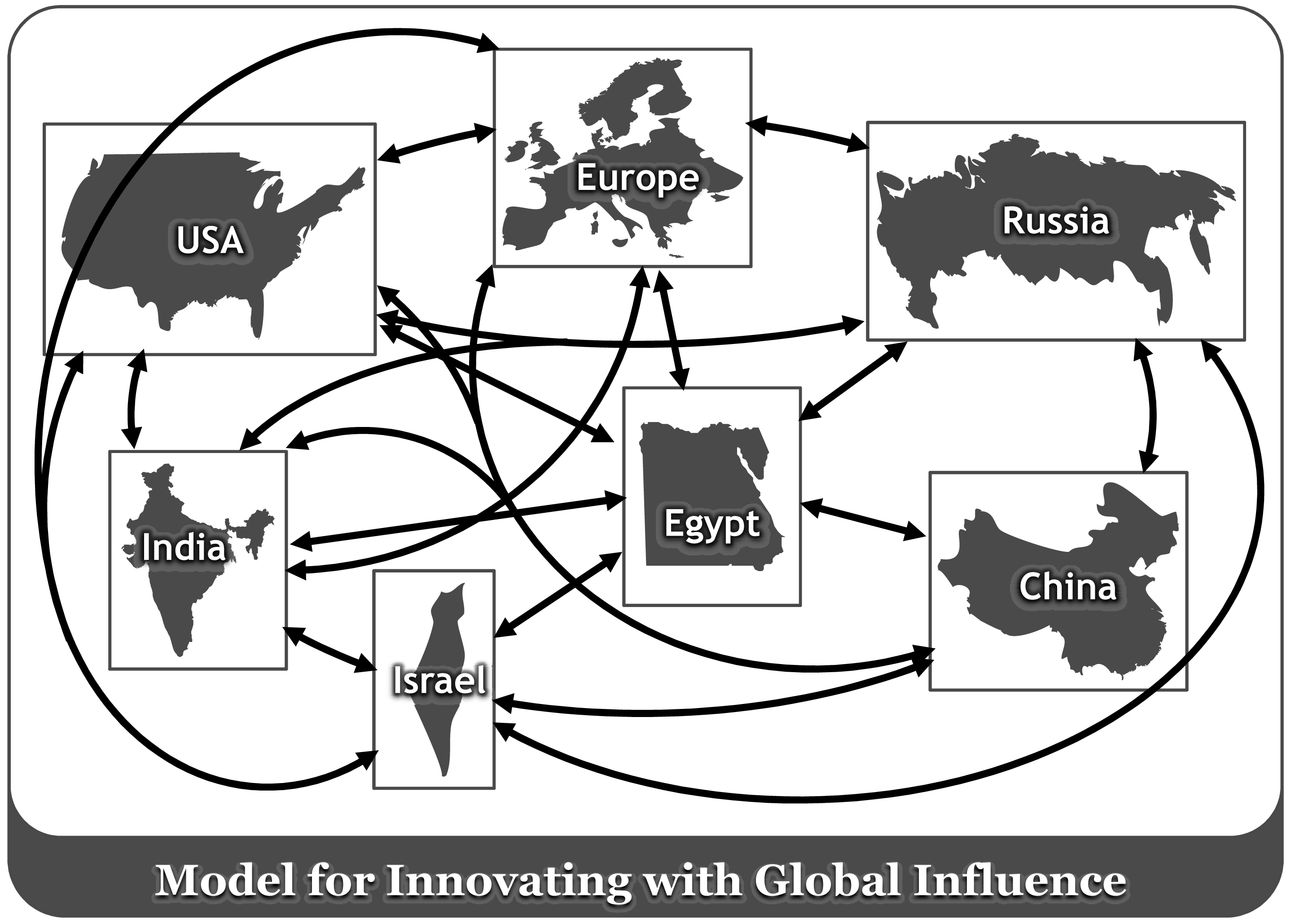
The emergence of geographically dispersed R&D centers that generate their own products and ship them to the rest of the world has been termed reverse innovation by Vijay Govindarajan. I plan to write more about this phenomenon in future posts.
Steve
http://stevetodd.typepad.com
Twitter: @SteveTodd

Hi Steve. I just joined ESG and we will do an event with the 20 most important IT executives in Brazil – that owns 50% of the IT market budget. It will be vendor agnostic and we are looking for an industry visionary.
Would you like to present?
The event will be on September, 14th.
Thank you.
Best regards,
Ronaldo
@ronaldoy
I represent the Russia CoE, more exactly – the department in it that is part of bigger organization in EMC where Steve works too. When we started in St.Petersburg in 2007, first several months, probably, we did nothing but learned – storage technologies were completely new, and despite the fact that we have mature and knowledgeable engineers on board, the technology area was new. Now, with 3 years of expertise in this area, our team have many ideas submitted in EMC internal innovation contests (of course, this is in addition to the development work we are doing, where we now own several components). So – all above is just to confirm the processes that Steve described. Thanks, Steve!