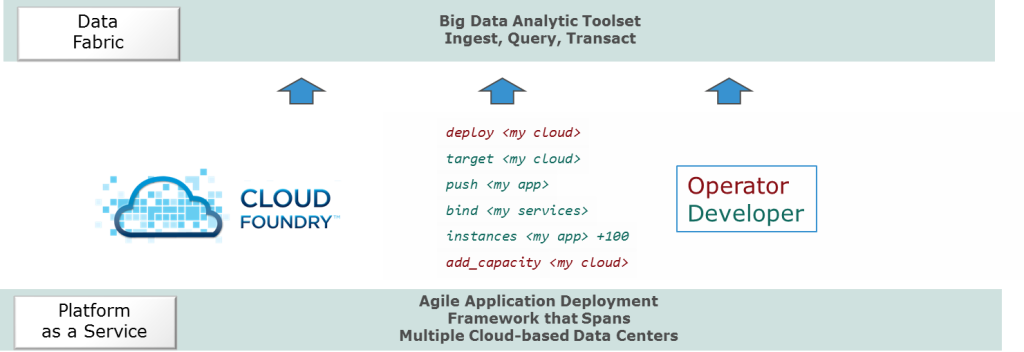

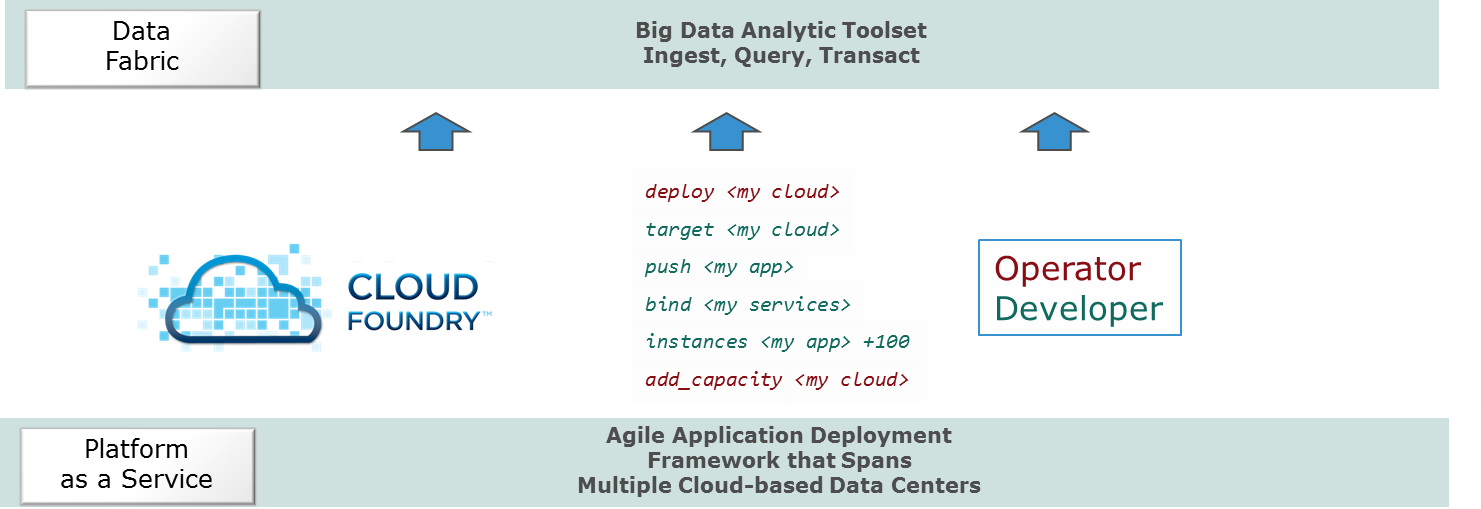
It is a bad pun to say that Cloud Foundry is a Pivotal layer of a data analytic stack, but it’s true.
I first discovered Cloud Foundry over four years ago after hearing about it from Storagezilla. I wrote a bit of code and was able to get it running, with the help of Cloud Foundry, in any cloud that I had access to.
It reminds me of the tight coupling between applications and storage that used to be prevalent in the industry many years ago:
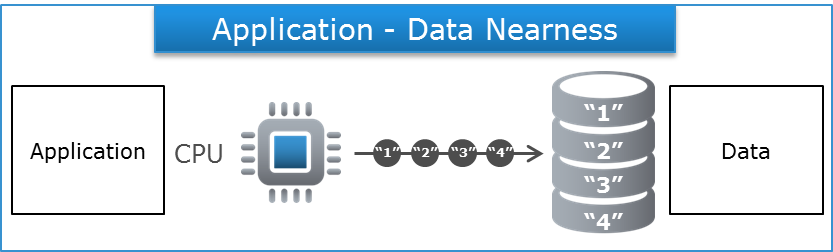
Applications were compiled directly onto CPUs, and all application data would fit neatly on one physical spindle. There were heterogeneous applications that stored data to heterogeneous disks, and it was all made possible by a pivot point known as the SCSI device driver. Operating system and disk vendors got together to converge around a standard which greatly accelerated the rise of the storage industry.
I have memories of walking into our engineering lab and working out the kinks of connecting CLARiiON storage to Microsoft, SUN, SGI, IBM, and others.
Fast forward approximately thirty years and you know have the Y-axis of application distance (where the application I/O has to pass through multiple hardware and software layers) and the X-axis of geographically distributed storage (where application data is distributed geographically and potentially across clouds).
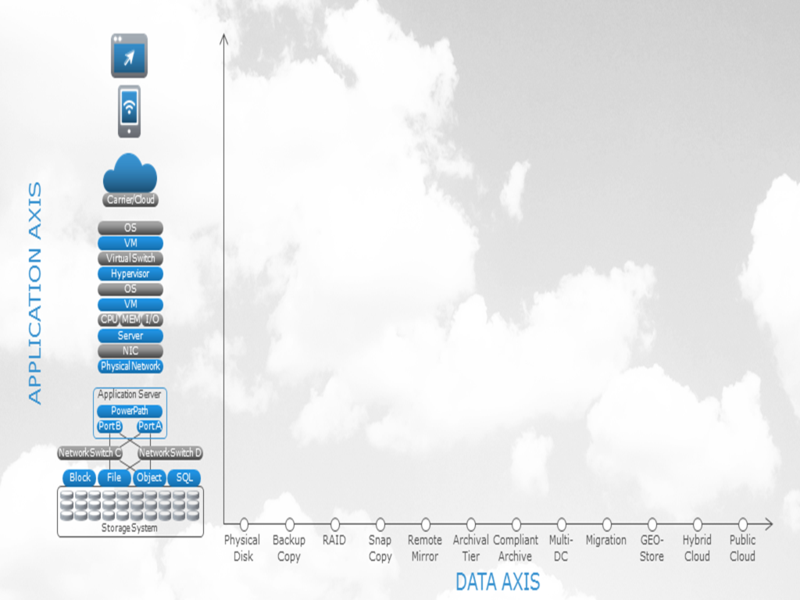
How can an application at the top of the Y-axis perform “I/O” in a standard way to data that’s spread all over the globe? Can a “standard” way to unite applications with data evolve for clouds in the same way it evolved for SCSI?
Certainly Cloud Foundry is evidence that the answer is “yes”. I was at a customer briefing with Pivotal’s Brian Wilson the other day and he covered a long list of companies that have adopted and/or are contributing to the CloudFoundry OpenSource movement: VMware , IBM, NTT, SAP, GE, Verizon, Swisscom, etc., etc.
In Brian’s opinion, he hasn’t seen so many different companies collaborate around a standard since the early days of Java.
In addition to CloudFoundry’s ability to deploy applications onto cloud infrastructures, some of the recent Hawq and PivotalHD work have demonstrated that Big Data services can be deployed onto the cloud fabric as well. Having these services available to application developers is a big part of the Pivotal strategy.
Steve
Twitter: @SteveTodd
EMC Fellow