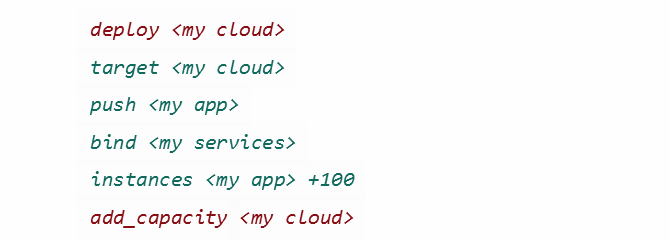

In a previous post I introduced the concept of Governed Placement Services. These services can exist at a PaaS layer and constrain application placement based on the business value of the application. This model is quite different from the manual (i.e. programmatic) placement depicted below. Notice the “target” statement that selects deployment onto a specific cloud.
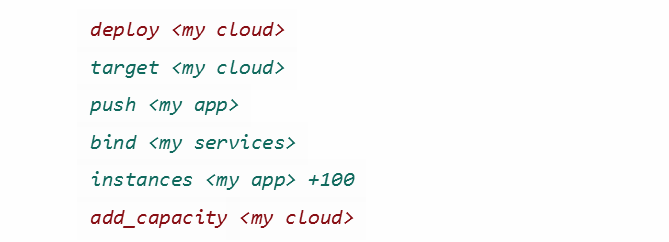
The thesis that is being explored in this post is the removal of the “target” statement and replacing it with an automated application deployment based on business data value. One implementation, suggested in a previous blog, is to co-locate application data policies and trust services into a common repository (a Metadata lake):
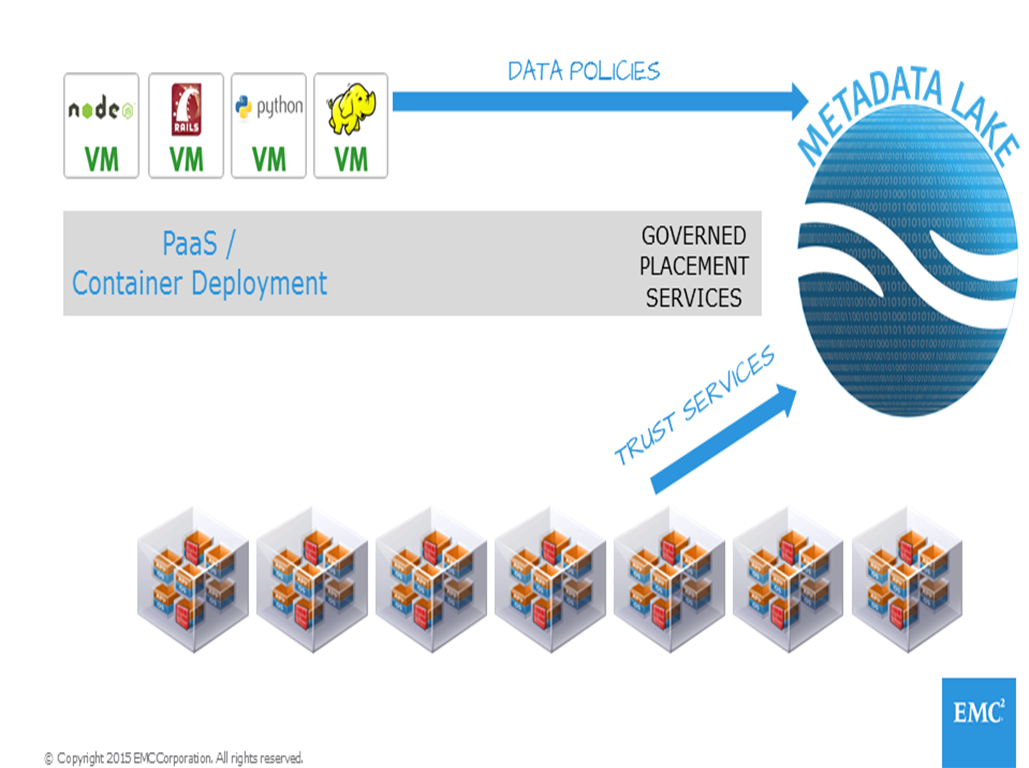
In this example, trust services are being advertised from seven different cloud infrastructures (e.g. Azure, Google, VMware, Amazon, etc). These trust services were described previously as part of Moving Data Value Up the Stack. In addition, the business has created “value statements” about the data sets used (or generated) by that application, and stored them as policies in a construct known as a Metadata Lake.
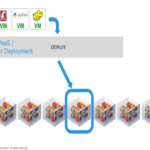
Once both elements have been added into a Metadata Lake, this allows a new feature known as “Governed Placement Services” to be added into the PaaS logic. At deployment time, the deployment logic can pass application information to the GP-services layer in order to request the target cloud which is the “best-fit” for matching trusted infrastructure services to data value. The diagram below zooms in on this portion of the service interchange.
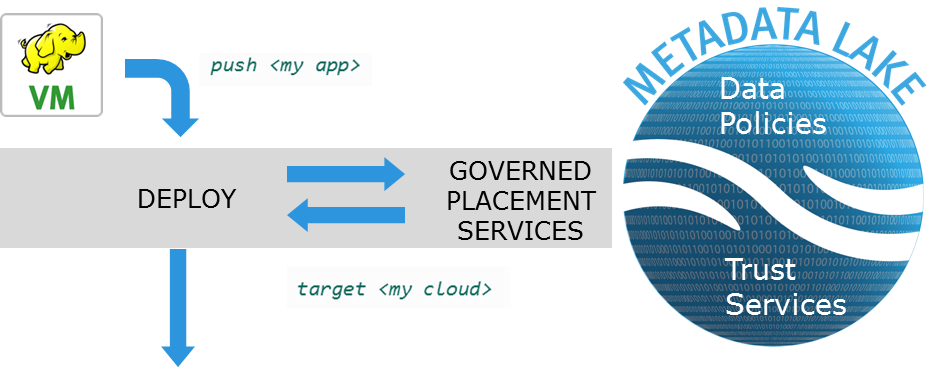
In this example the application is pushed blindly (without the selection of a target cloud). Lacking this selection, the deployment logic passes an application handle over to the Governed Placement Services business logic. This logic pulls data value statements for that application out of the Metadata Lake and then shops for the best-fit trusted infrastructure to host that data (based on its business value).
Once this best-fit cloud has been found, the Governed Placement Service returns the target cloud onto which the application (and data) can be deployed.
Once this stage of the algorithm has been reached, the PaaS layer can then proceed through its normal deployment logic.
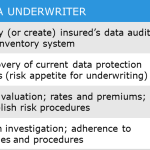
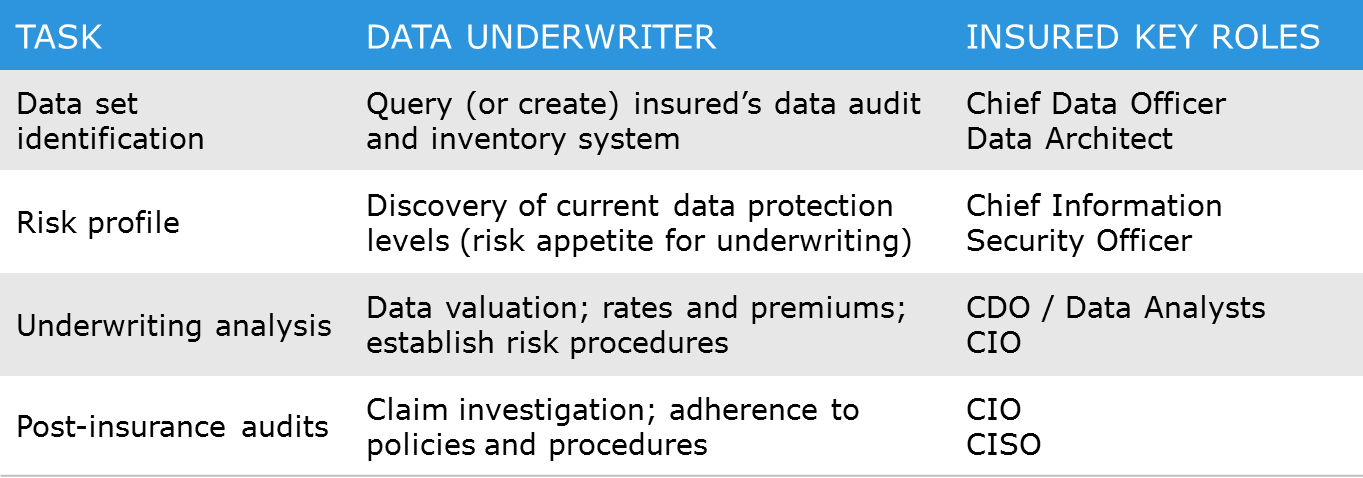
Given this type of architecture, the business has created a synergy between data value and trusted infrastructure. This allows us to return back to the data insurance underwriting use case (pictured below). I will return to this case in future posts.
Steve
EMC Fellow