
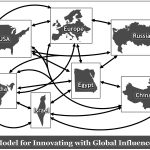
 In June of 2011 I launched the Global Innovation Network Analytics project within EMC. The project serves as a way to measure global knowledge growth, global knowledge transfer, and global knowledge leverage (e.g. products, patents, publications, etc).
The insight that EMC has gained is summarized in a series of innovation analytics blog posts. By convincing innovators and researchers world-wide to contribute notes, summaries, minutes, and presentations, we've been able to learn more about our global innovation culture. Specifically, we've gained insight into clusters of innovators, geographic boundary spanners, verbosity of idea submissions, and topic trends and analysis. We've taken an exhaustive look at global idea contests.
The project is ambitious (at least I thought it was!).
Then I read the recent blog post by Chad Sakac:
Imagine what we’ll discover with millions of people being “human sensors”.
For my project, I'm trying to gather innovation data from thousands of researchers and innovators world-wide.
The Human Face of Big Data project is trying to gather data from millions of people worldwide. This will occur via the download of an app to iPhone/Android and entering as much or as little data as you want. I will join the millions by downloading the app in the weeks to come.
If you're interested in participating, check out the Human Face of Big Data website. I also recommend watching the video below (which features diabetic runner and EMC employee Sebastian Sasseville).
My team's analytics have yielded some fascinating insights about innovation, but the insight generated by EMC's global experiment will yield incredible insight into the human race. The
project will show, through simple, human stories and images, how ‘big data’ is
already changing our world, and foreshadow some of the ways it will
impact us in the future.
The human sensor component (the smartphone app) will gather a digital mosaic of life on planet
earth over a 7-day period between September 25, 2012, and October 1, 2012.
Volunteers will answer questions and provide data from their devices that help
illustrate how we all lived, moved, learned and communicated during that single
rotation of the planet. Other phases of the project will extend beyond this experiment and include a printed hardcover book (Rick Smolan) in November (among other things).
I plan on sharing some of the results throughout the experience, especially as it overlaps with the global analytics that I myself am coordinating.
I'm in. Are you?
Steve
Twitter: @SteveTodd
Director, EMC Innovation Network


Yes, I am in Steve and wrote about the project here http://www.forbes.com/sites/kareanderson/2012/09/20/discover-how-your-behaviors-compare-with-others-a-global-project/