
The VMware acquisition of WaveMaker was recently announced by SpringSource.
The acquisition certainly has cloud implications. In fact, EMC’s Chief IT architect characterizes WaveMaker as “PowerBuilder for the Cloud”. If a WaveMaker framework is properly architected into a Platform-as-a-Service cloud deployment, a very positive “ripple effect” can occur. The ripple effect I’m referring to would be a steady decline in new ShadowIT deployments. ShadowIT refers to the creation of all those mini-IT skunkwork systems dotted throughout multiple business units within a corporation.
One of the more popular studies describing the motivations and reality behind ShadowIT is the RSA confessions survey published several years ago, in which the following statement was made:
35 percent of respondents have felt the need to work around their organization’s established security policies and procedures just to get their job done.
For those that are unfamiliar with WaveMaker, think of it as a CASE tool that allows a person to draw pictures instead of writing code (e.g. code is automatically generated).
The understand how WaveMaker can reduce the attractiveness of ShadowIT, consider a use case where a knowledge worker (e.g. sales account manager) wants to work with their own copy of a customer database in order to more quickly run some “what-if scenarios”. They may wish to run some simple database queries that generate new tables, provide new graphs, and unlock potential new business leads.
But they don’t know how to code, and they’d rather not go through the process of having IT create a script. So they find some backdoor method to dump a portion of the database into Excel, or they leverage some talent within their business unit with a reputation for “getting things done, no matter what it takes”. Maybe they e-mail some of this work to their home account to get it done after hours.
The hazards of ShadowIT are obvious:
- sensitive data can be exposed
- local and federal laws can be inadvertently broken
- confidential information is weakly protected and therefore more easily at risk of theft
In addition, the corporation is unable to leverage potentially valuable new ShadowIT data, given that it is “hidden” and potentially “under somebody’s desk”.
WaveMaker As A Cloud Service
Instead of investing in ShadowIT, a knowledge worker, from any business unit, could draw a picture of their business logic with WaveMaker, and deploy it to a corporate cloud.
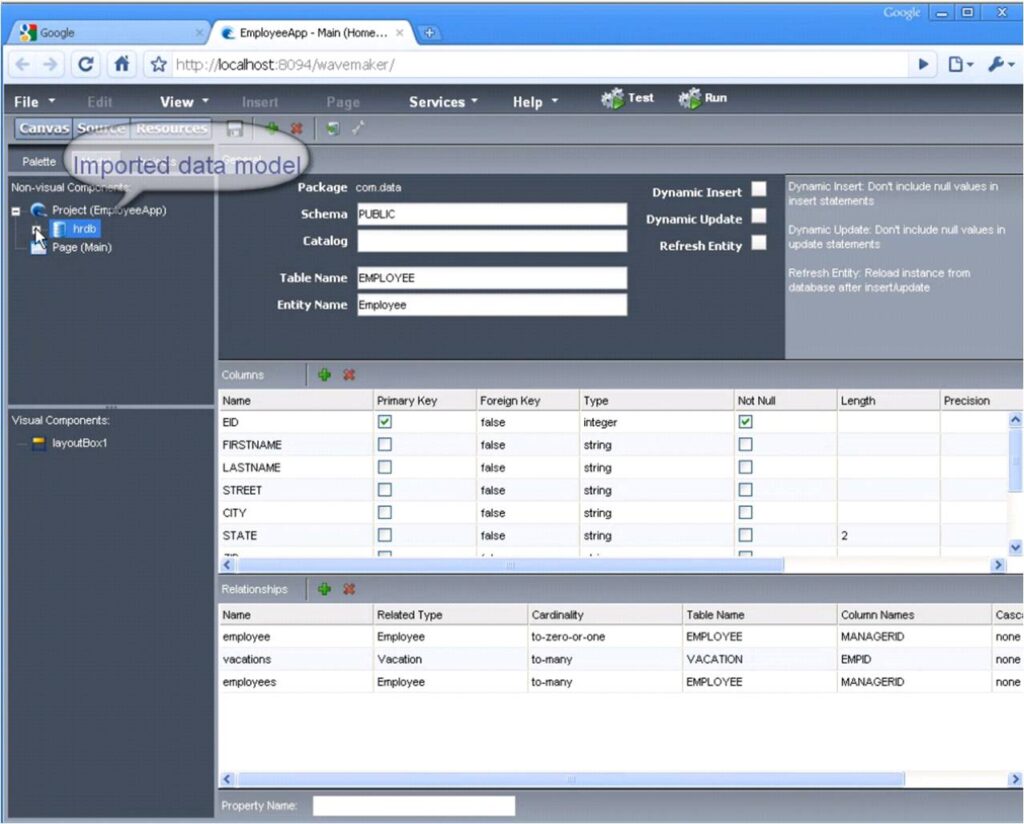
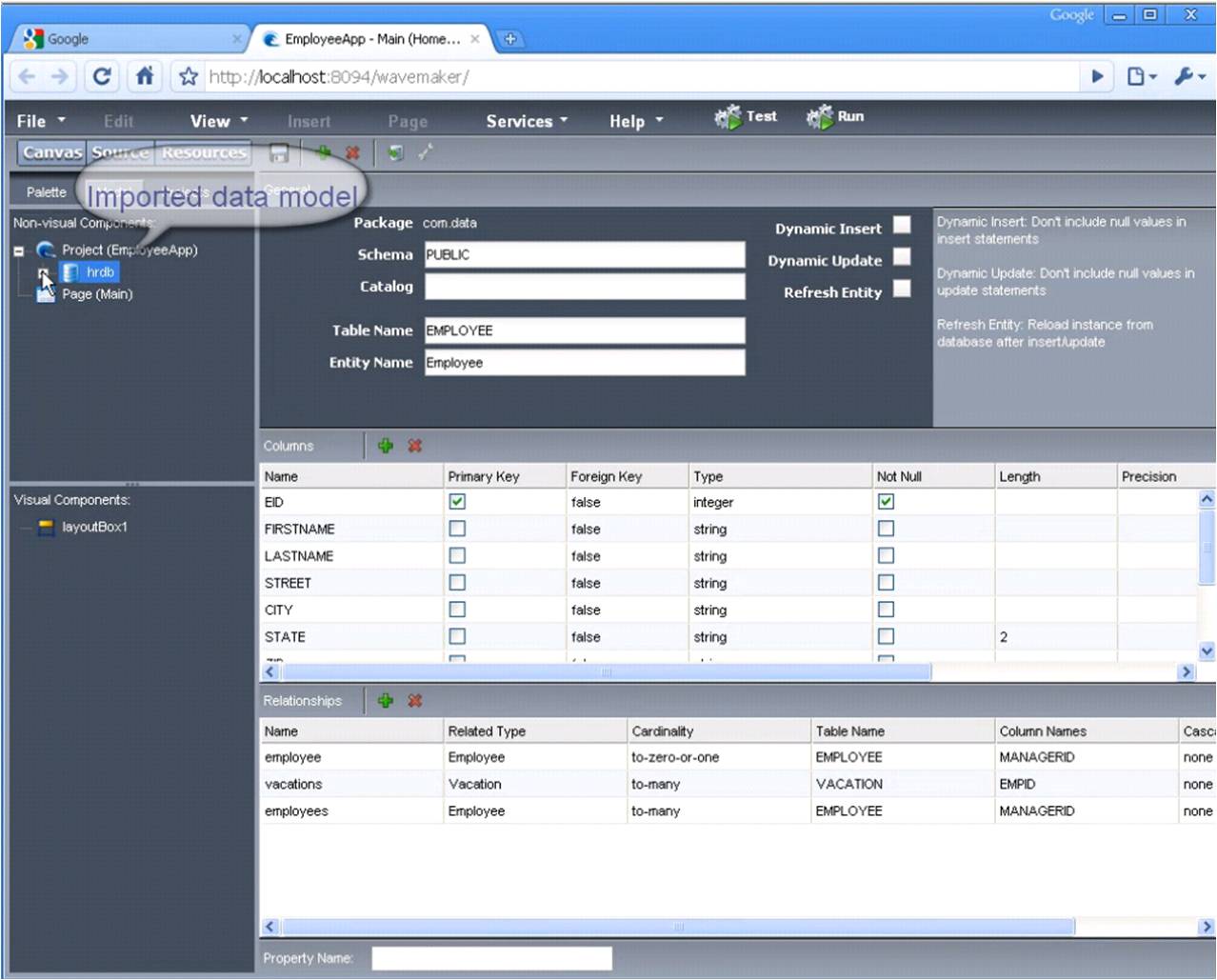
That’s the vision. Click on the image below to see a demo of how WaveMaker works:
The PaaS Dependency
This vision won’t work without WaveMaker functioning as an element of a well-thought-out PaaS framework. There are two critical PaaS aspects worth mentioning:
- Support for Application Infrastructure. Many people think of PaaS as a framework that supports multiple programming languages and techniques (e.g. Python, Ruby-on-Rails, Java). Integrating WaveMaker into this infrastructure would also provide support for non-developers. This brings even more people onto a common platform that provides the advantages of ShadowIT with less risk.
- Support for Application Services. A good PaaS framework has a set of application services that IT provides (e.g. grid services, security services). If WaveMaker users have access to a service registry, they can build business logic much faster than they could using home-grown ShadowIT.
WaveMaker is a solid addition to VMware’s vFabric Cloud Application Platform. To get a lower-level view of how vFabric is stitched together (and how WaveMaker might fit in), read up on technologies such as tcServer, Hyperic, RabbitMQ, ERS, and GemFire.
Steve
Twitter: @SteveTodd