
In my last post I introduced the concept of Ephemeral Data Value. The term, as defined by UC San Diego researcher Jim Short, was recently described to the EMC Technical Community as he highlighted the company known as Snapchat. Dr. Short pointed out that the ephemeral, transient nature of data in the Snapchat environment (it disappears within 1-10 seconds) does not mean that the data is without economic value. The reported Snapchat ad revenue model would be proof of this thesis.
On the other end of the spectrum from short-lived data is data with a tremendously long shelf-life. This leads to another principle of data value: some data has eternal value. Dr. Short has begun to interview several different companies in this regard. This will allow the industry to gain more insight into the valuation processes of companies with business models that require longer-term retention of data.
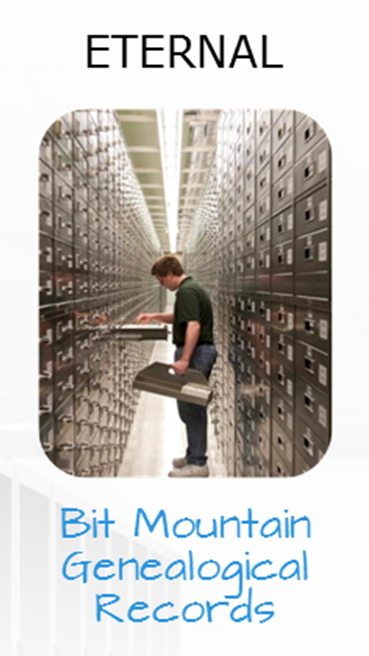
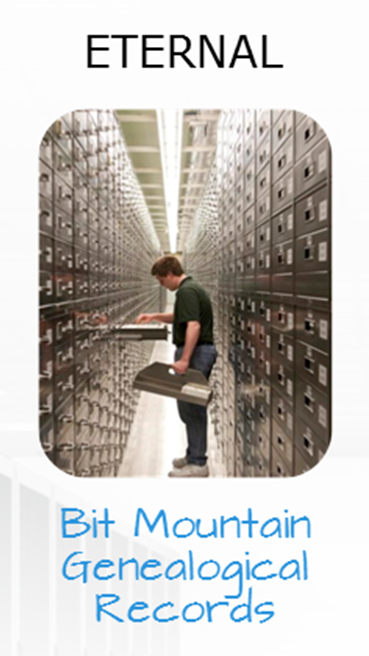
One company involved in the study is Bit Mountain. This company is charged with forever holding the Mormon Genealogical repository. Several years ago the NORAD military ICBM site was purchased for the purpose of maintaining these genealogical records, and they’ve now become a case study in the Data Value research.
When asked to represent the value of data under their care it became difficult for them to express. The records to some degree represent a portion of the history of the world.
When asked how long they retain the data the answer is indefinitely. A key principle is to never to lose anything ever.
Another variant to eternal data value is generational data value. This principle can be found in some financial institutions. For example, Dr. Short is working with mutual fund companies that have policies to retain data for multiple generations that are often measured in the 100-150 year time frame. Most companies in this space have similar (or longer) retention periods for valuable data.
The eternal data value topic is tangential to an effort launched over ten years ago by SNIA: the 100-year archive Task Force. This task force was concerned with data aging and application/infrastructure compatibility that would continually enable access and availability in the long term. For more information about survey results from the 100-year initiative, please refer to the 100 Year Archive requirements survey.
Dr. Short’s work is highly complementary to this survey. In addition to properly planning for infrastructure and application compatibility in the long term, how can the value of such data sets be continually evaluated over time as well? His research will hopefully begin to shed some light on possible approaches.
Steve
EMC Fellow